The standard provides a common ‘data dictionary’ and naming rule convention that can be used by different organisations to create a harmonised framework for maritime data and applications, allowing different systems to more easily share shipboard data without the need for additional customisation.
Once a marine equipment provider has mapped their own datasets to the common standard then the data produced by that equipment can be immediately used for analysis by the vessel operator within any other application that has incorporated that format, removing one of the key barriers to maritime digitalisation currently prevalent throughout the industry.
The standard is independently maintained by a technical committee within the International Organization for Standardization (ISO), meaning that it can be freely applied by any company wishing to adopt the data dictionary, while also remaining independent from influence by any particular technology supplier.

“It’s all about credibility,” said Peter Schellenberger, Managing Director OSERV, OSM Maritime Group, one of the vessel operator companies represented on the Council.
“This is really a meaningful industry initiative with the right people around the table representing the large technology and IT/ communication suppliers, as well as clients (owners/managers) and other industry stakeholders.”
“With some important first decisions taken in the Council this time, the test of time will now be whether these participants will see these principles through in their organisations. Lots of interesting next steps on our minds!”
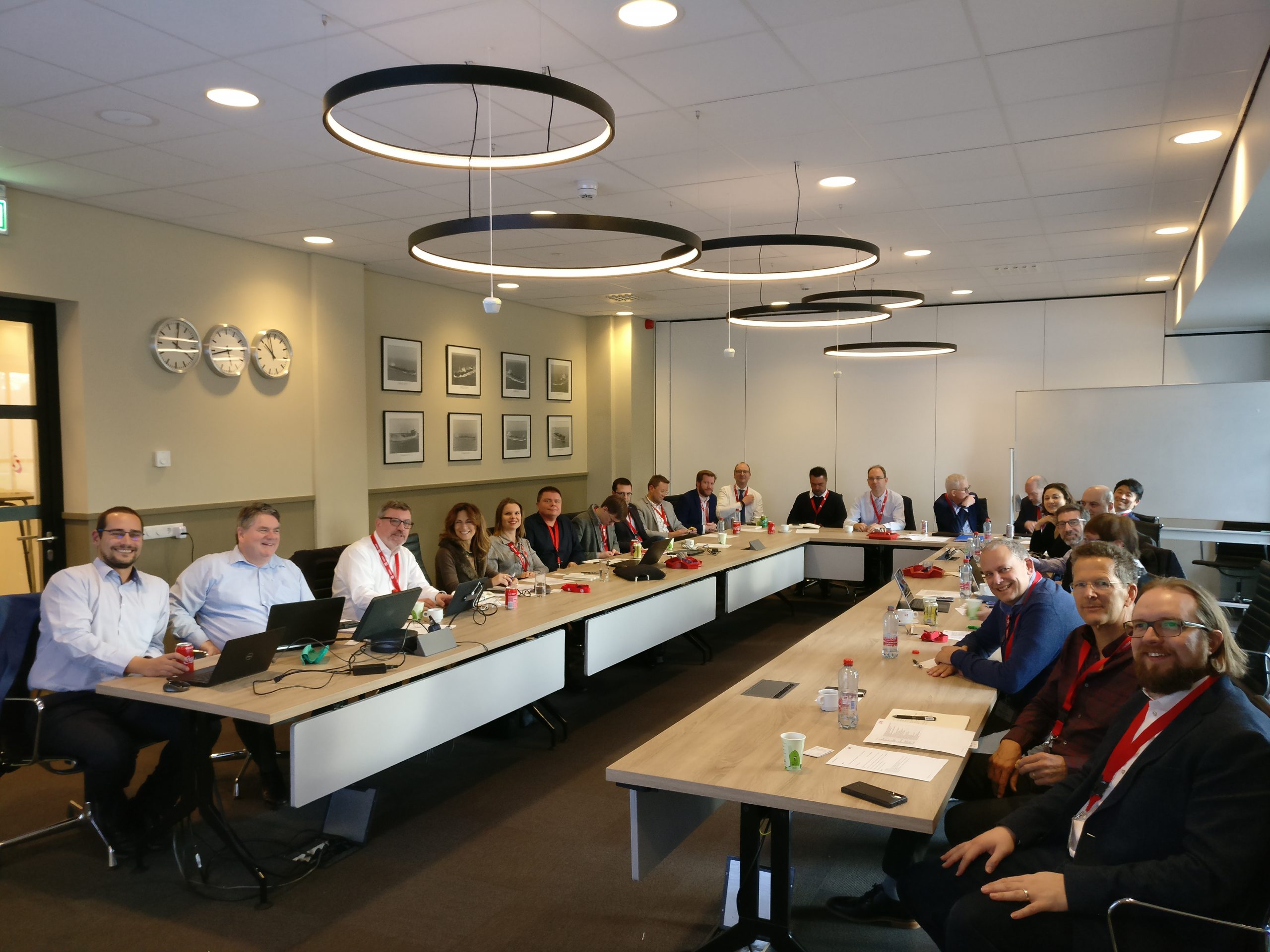
Members of the Smart Maritime Council include:
ABB – AMMITEC – ClassNK – Cobham SATCOM – Danmarks Skibskredit – Dell Technologies – Dualog – GT Maritime – IB Marine – Inmarsat – Intellian – Kongsberg – KVH – Marsh – Monohakobi Technology Institute – OneWeb – OSM Maritime Group – Speedcast – Sperry Marine – ST Engineering – Stolt-Nielsen – Traxens – V.Group – Wallem – Wärtsilä