

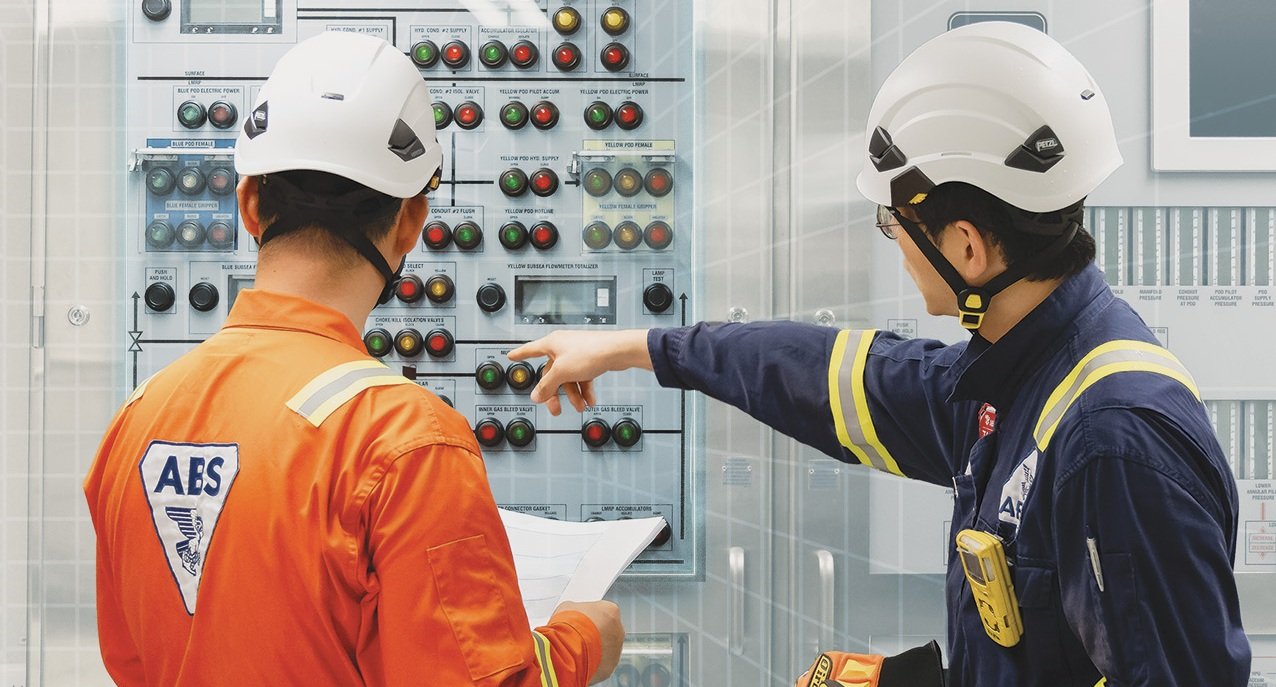
ABS has released a whitepaper examining the gaps in maritime human-system integration and the necessity of evaluating personnel readiness alongside technical maturity.
The research, titled Beyond Technology Readiness: Applying Human Readiness Levels in Maritime Systems, provides a framework for integrating Human Readiness Levels (HRLs) into existing maritime qualification processes.
While traditional technology readiness levels focus on hardware and software performance, HRLs evaluate operator roles, cognitive workload, and decision authority. The framework also addresses interface usability, alarm strategy effectiveness, training, and organisational readiness.
“Technical maturity alone is not sufficient to achieve operational safety,” said Michael Kei, Vice President, Technology at ABS.
“While existing frameworks offer valuable insight into technical maturity, they do not account for the human element that ultimately interacts with, operates, maintains and makes decisions with the technology.”
“Emerging maritime technologies require qualification processes that extend beyond technical maturity; Human Readiness Levels (HRLs) provide a structured approach that supports safer operations while reducing unnecessary cost and rework.”
The whitepaper builds on guidance from the American National Standards Institute (ANSI) and the International Maritime Organization (IMO). It includes application examples for remote inspections, autonomous operations, Artificial Intelligence (AI) decision support tools, and augmented reality devices.
The full report can be downloaded here.


