

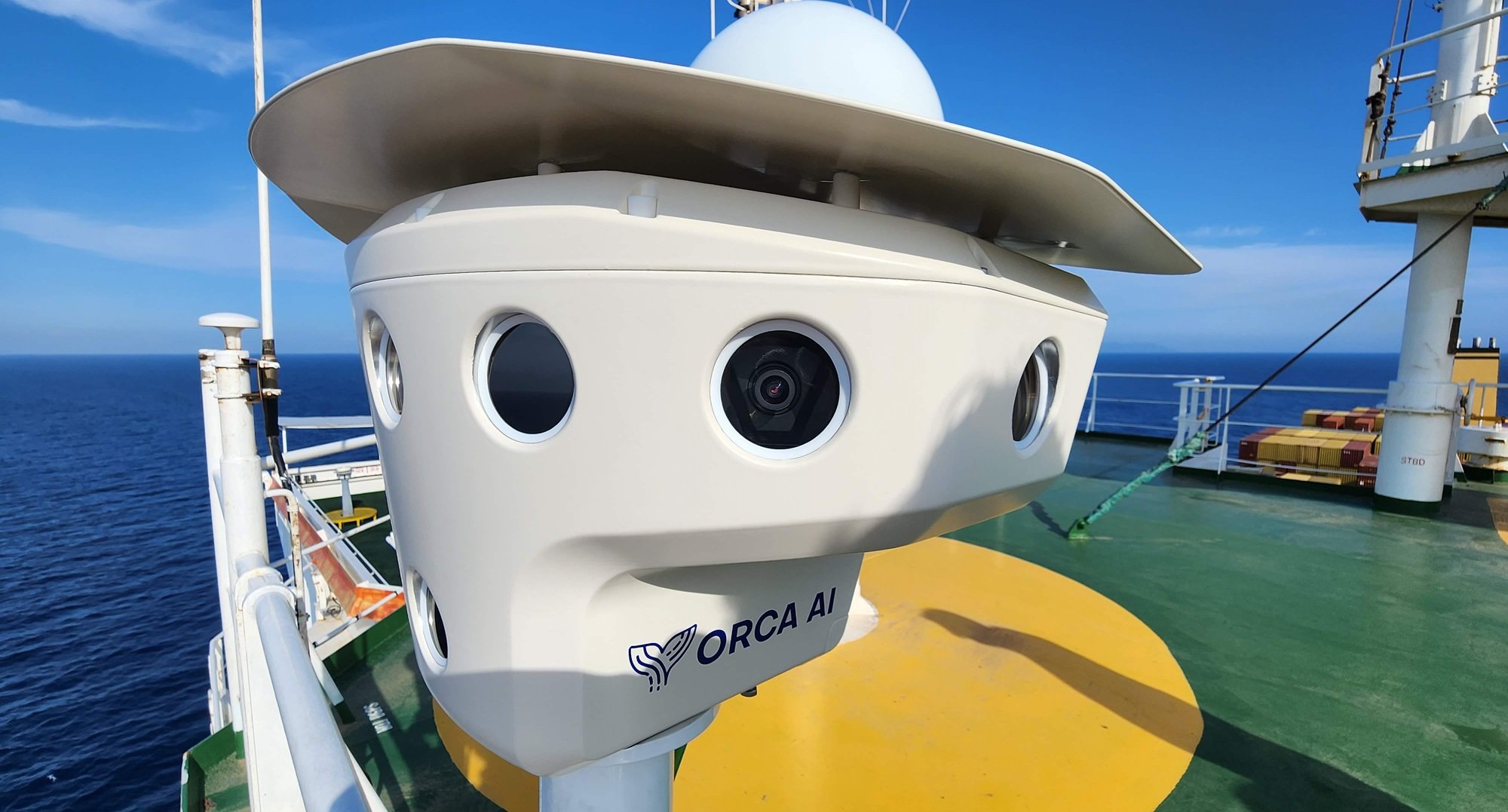
Eastern Pacific Shipping (EPS) is to deploy Orca AI’s maritime operations platform across dozens of additional vessels following a pilot involving five ships and more than 130,000 nautical miles of operations.
Operational data from the pilot showed a 48% reduction in close encounter events per 1,000 nautical miles, while average minimum passing distance increased by 10%.
One participating vessel, Pacific Sentinel, recorded an 84% reduction in open-water close encounter events and a 50% increase in minimum passing distance within six months of installation.
The expanded deployment will use Orca AI’s SeaPod bridge system, which uses computer vision to detect and classify surrounding vessels and objects, including non-AIS targets such as fishing vessels and buoys.
The system combines onboard situational awareness with a FleetView system, allowing shoreside teams to review operational events and identify navigational trends.
“Our seafarers are at the centre of everything we do. Our goal is to equip our Masters and bridge teams with practical technologies that enhance situational awareness and support safe decision-making,” said Sachin Saharawat, Technical Director at EPS.
“The pilot gave us objective data on how navigational risk changed over time, and the results gave us the confidence to expand deployment across our fleet.”
EPS operates a fleet of more than 350 vessels across the containership, PCTC, dry bulk, gas and tanker sectors.
“EPS has taken a disciplined, data-driven approach to adoption. These results demonstrate how AI-based situational awareness can reinforce good seamanship – reducing high-risk situations, supporting calmer decision-making and delivering measurable improvements both on the bridge and ashore,” said Yarden Gross, CEO and Co-Founder of Orca AI.


