A new ISO standard has been launched focused on providing a framework for the interoperability of smart applications onboard vessels.
ISO 4891: Ships and Marine Technology – Interoperability of Smart Applications for Ships was developed through a collaboration between DIN, the German national organisation for standardisation, and the Japan Ship Technology Research Association (JSTRA), with Otto Klemke, CEO of German maritime software company NautilusLog, serving as the Project Lead.
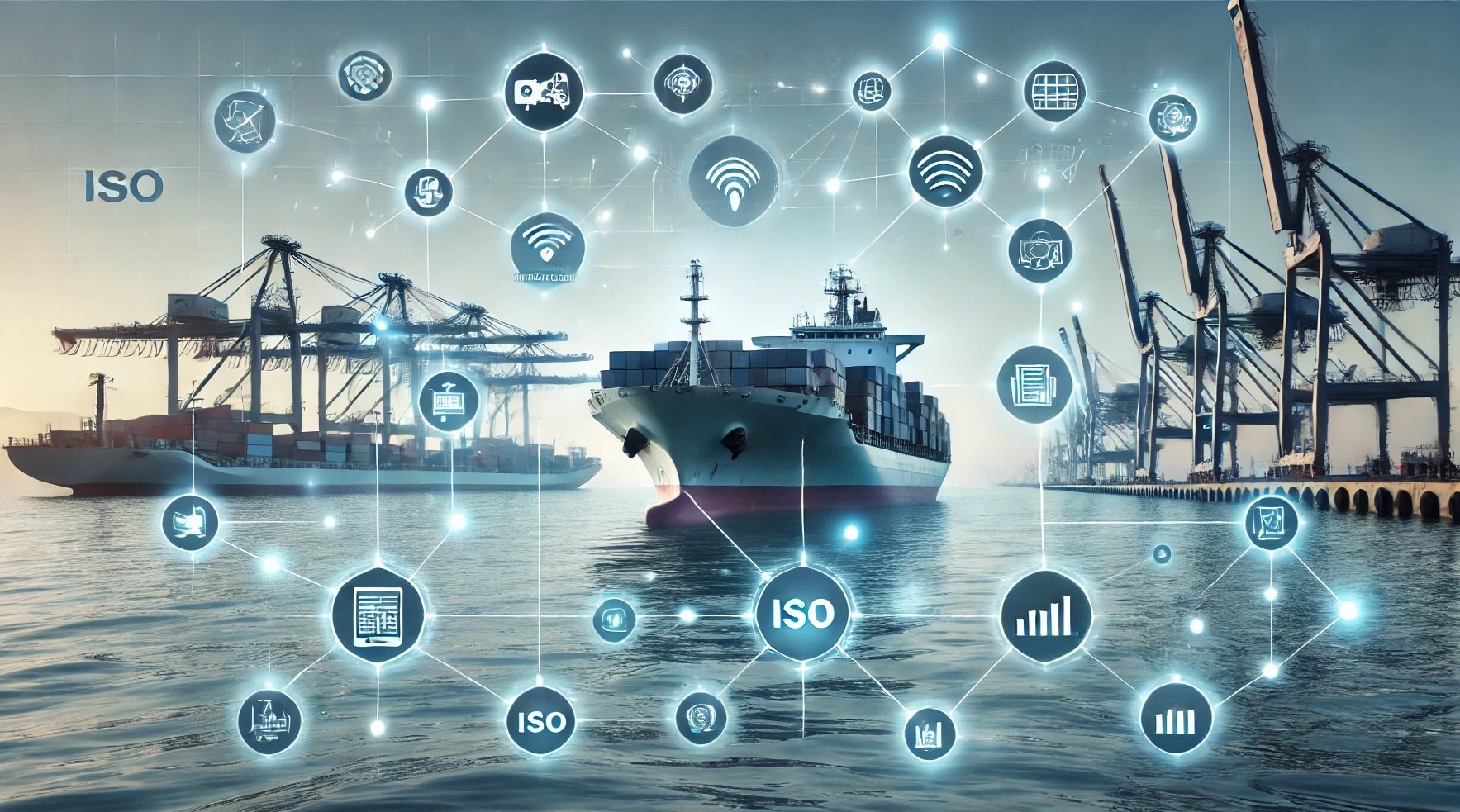
ISO 4891 aims to establish operational and performance requirements for smart applications on board ships, to support improved interoperability. The standard creates a foundation for maritime technology providers to use in integrating their systems, with potential applications in documentation, process management, connectivity, and data collection through human-machine interfaces, IoT technologies, and related systems.
For instance, third-party applications could interact directly with systems like the Electronic Record Book (ERB) if they are ISO 4891-compliant, without compromising functionality or certification, by applying the standard.
“ISO 4891 represents a major advancement in the digital transformation of the maritime industry,” said Otto Klemke.
“By enabling seamless communication between smart applications, ship operators can achieve higher operational efficiency, reduce downtime, and improve safety. This standard will unlock real-time data sharing and drive innovative business models in maritime operations.”
“The maritime sector is evolving towards smarter, more sustainable operations. ISO 4891 lays the groundwork for these innovations, ensuring that new technologies can work in harmony and setting the stage for smarter, safer shipping practices.”