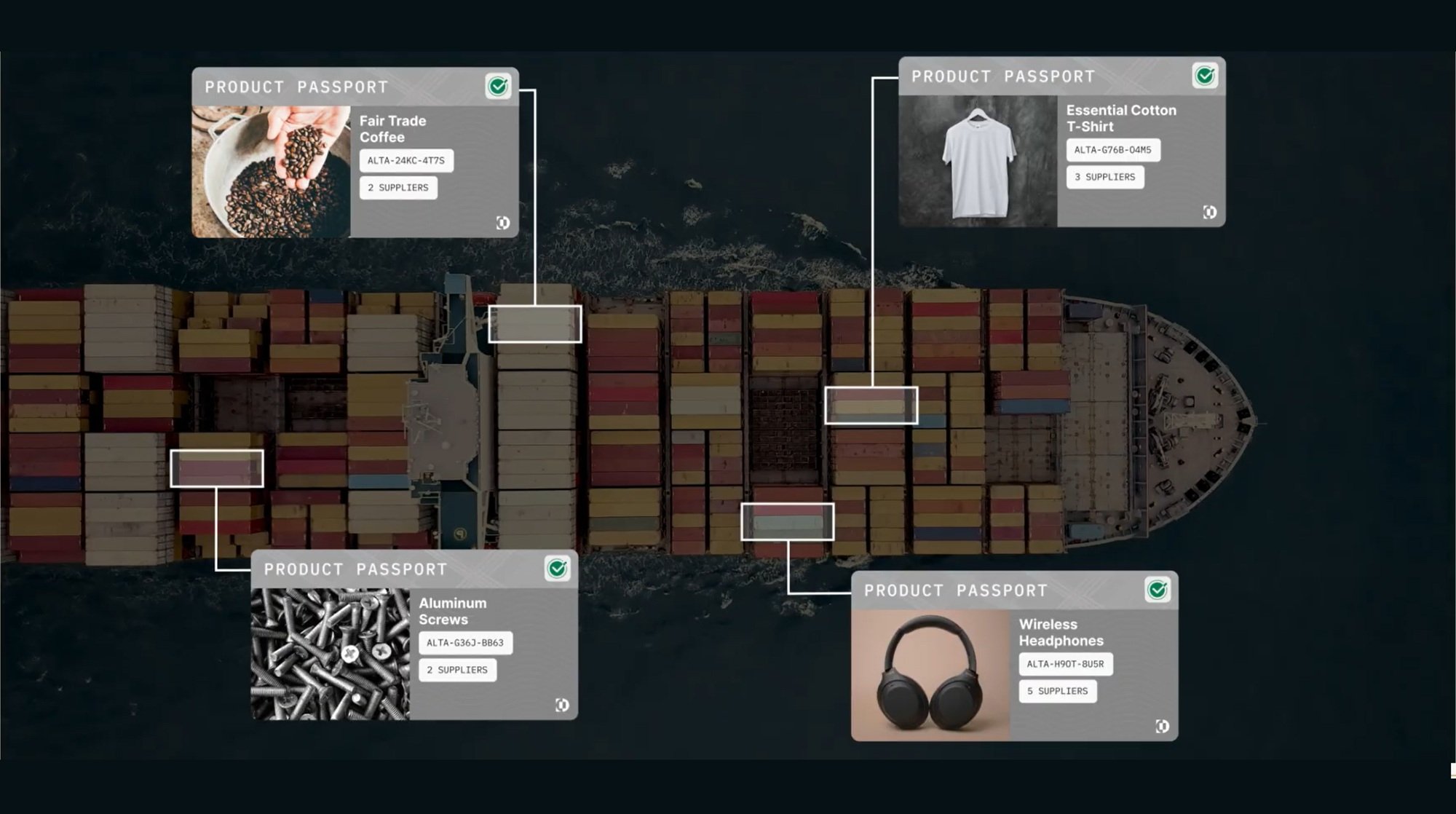
Maersk and Altana have announced a partnership to build a digital trade network that will integrate artificial intelligence (AI) powered trade compliance and facilitation into Maersk’s Gemini Cooperation.
The platform aims to transform the Gemini Cooperation from a physical logistics infrastructure into a digital trade network for East-West commerce. This will enable goods to move with pre-cleared, product-level identity markers, known as Product Passports, which the partners say will be recognised by customs authorities across 12 key international ports that handle 70% of global trade.
“A global Product Passport for Goods is the innovation needed to elevate international trade towards an ecosystem of trust – connecting and transforming major trade routes into digital trade corridors,” said Lars Karlsson, Global Head of Trade and Customs Consulting at Maersk.
The partnership uses Altana’s passport manager, a capability that directly connects importers and logistics providers to customs authorities. The Gemini Cooperation, operated by Maersk and Hapag-Lloyd, is the first scale deployment of the technology.
Similar to the US Global Entry system for travellers, the Product Passport creates a Global Entry for Goods, turning customs entries into record-keeping events rather than the start of a risk and compliance process.
“The global trade system was built to manage shipments at a border – but today’s regulations are network-shaped and demand product-level verification across entire value chains,” said Evan Smith, CEO and Co-Founder of Altana.
“With Maersk, we’re building an agentic digital layer on top of the world’s most reliable physical logistics network to meet that moment.”
The platform is built on a federated data model designed for sovereignty, meaning Maersk can share Product Passports with local customs authorities without sharing those authorities’ data back.