

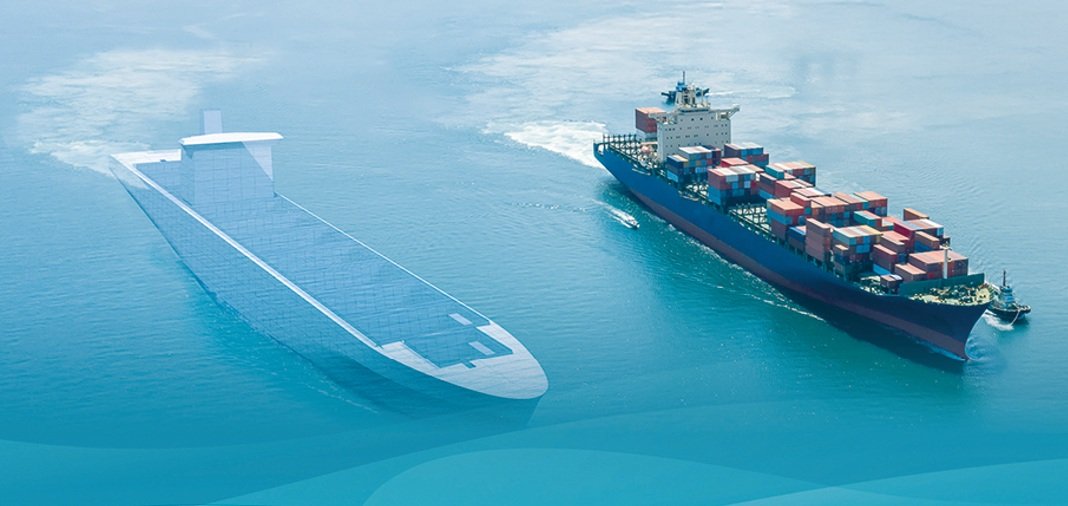
A cross-industry Digital Twin Project featuring a consortium of Japanese maritime stakeholder organisations has completed Phase 3 pilot trials, aimed at confirming the feasibility of the initiative and advancing development of a platform for ship design and operational data sharing.
The trials demonstrated benefits in operational efficiency, cost reduction, and digital value creation, while also highlighting areas requiring further work, including data security, contract structures, and platform business model clarity, the partners said.
The Digital Twin Project aims to support collaboration between shipyards and shipowners by enabling the secure exchange of 3D design and operational data. By making digital twins accessible throughout a vessel’s lifecycle, the project is designed to improve future ship designs and support performance assessment, emissions reduction, and operational optimisation.
The consortium includes NYK, MTI, MOL, “K” LINE, Marubeni, MMSL Japan, Imabari Shipbuilding, Japan Marine United, Mitsui E&S Shipbuilding, Sumitomo Heavy Industries Marine & Engineering, Kyokuyo Shipyard, Usuki Shipyard, ClassNK and NAPA.
Participants plan to use the shared digital environment to validate the impact of new technologies such as wind propulsion, batteries, and weather routing on vessel safety, cargo capacity, and efficiency.


