

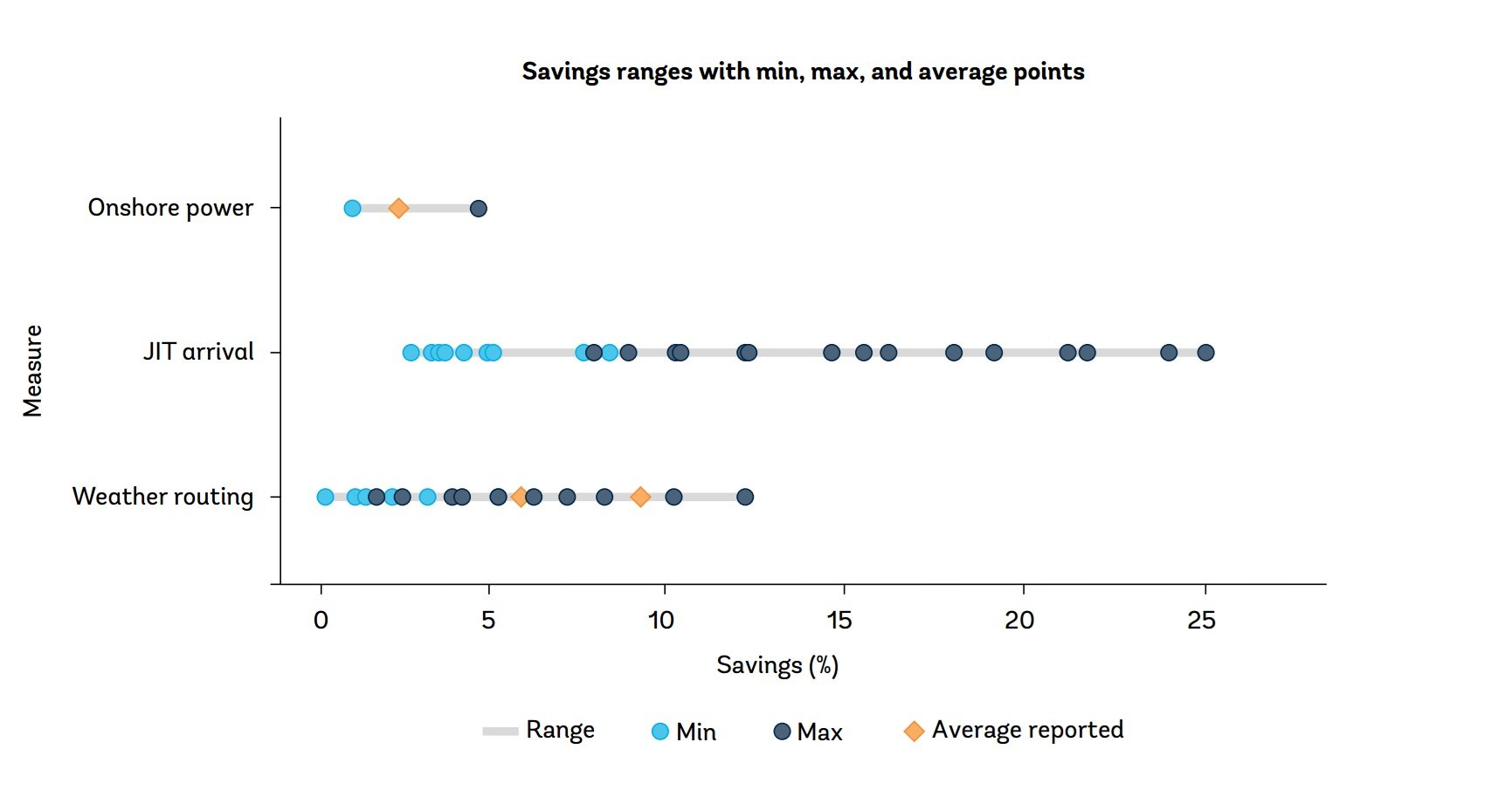
Digitalisation and data sharing are central to unlocking the next phase of maritime energy efficiency, according to a new World Bank report that identifies operational technologies such as port call optimisation and just-in-time (JIT) arrival as critical to reducing emissions and costs across the global fleet.
The report, Keys to Energy-Efficient Shipping, suggests that improved digital coordination between ships and ports could deliver significant fuel savings by cutting unnecessary waiting times, reducing auxiliary fuel use, and enabling more efficient voyage planning. The World Bank estimates that operational and technical measures combined could lower ship emissions by up to 40% by 2030.
Port call optimisation (PCO) is highlighted as one of the most effective yet underutilised tools available. By standardising data exchange and communicating accurate arrival times, PCO allows vessels to adjust speed dynamically and avoid time spent idling at anchor, improving both energy efficiency and local air quality.
However, the report notes that collaboration across the maritime value chain will be key in developing consistent, interoperable data-sharing standards that can support JIT arrivals and automated port reporting.
The publication suggests that adoption of the digital tools required to support these processes has been slow due to fragmented data systems and a lack of alignment between shipowners, charterers, and ports. It recommends introducing universal APIs and standard timestamp definitions based on IMO and IHO frameworks to harmonise communication and improve operational transparency.
While the report recognises that alternative fuels will be essential for long-term decarbonisation, it emphasises that digital optimisation provides an immediate and scalable opportunity to reduce fuel consumption and operating costs.


