

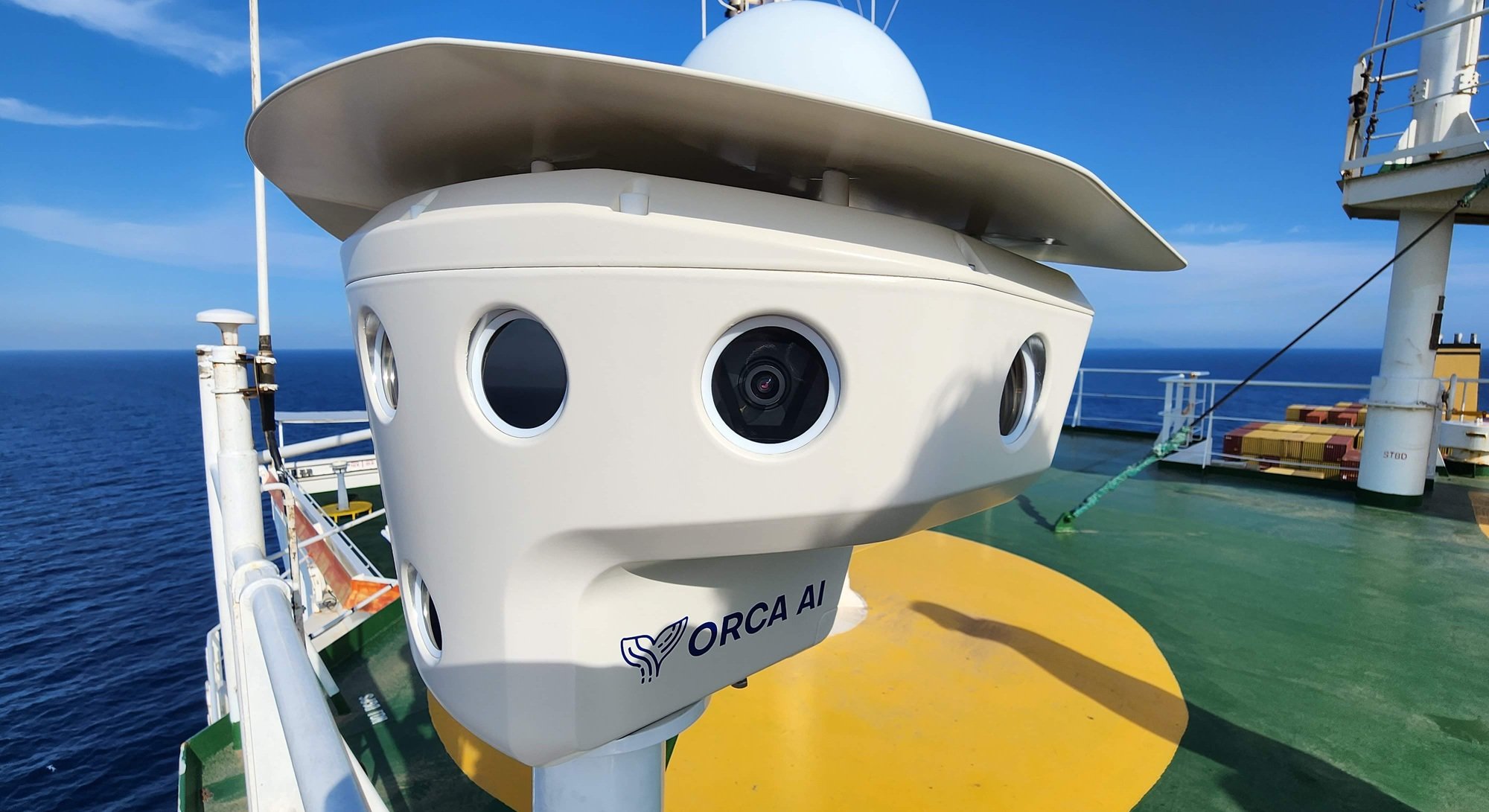
Analysis of 139 globally trading container ships by P&I club NorthStandard has shown a 52% reduction in high-severity close encounters within 12 months of deploying the Orca AI navigation technology platform.
The research examined more than 10.8 million nautical miles of voyages, comparing the initial three-month adaptation period with a stabilised usage phase. The findings showed that an initial 22% reduction in close encounters was achieved within the first six months of deployment.
The study defined high-severity encounters using objective parameters, including Closest Point of Approach (CPA), Time to Closest Point of Approach (TCPA), and International Regulations for Preventing Collisions at Sea (COLREGs) interactions. Improvements were consistent across all vessel ages, indicating that AI situational awareness can strengthen performance regardless of legacy bridge hardware.
Operational data showed a 36% reduction in close encounters in the North and Baltic Seas and an 18% reduction in the China and Japan Seas. In these congested corridors, bridge teams were found to rely more heavily on the platform to manage dense traffic and limited decision time.
“Fleet growth, crewing shortages, rising asset values, and increasing disruption to navigation systems – including Global Navigation Satellite System (GNSS) interference and spoofing that recent geopolitical conflicts have exposed at scale – are compounding navigational risk. The operating environment today is more complex, less predictable, and less forgiving,” said Colin Gillespie, Head of Loss Prevention at NorthStandard.
The report also identified increased adherence to Safety Management System (SMS) protocols in open waters.
“As this shift becomes measurable and consistent across fleets, we can expect it to increasingly be reflected in reduced risk exposure – and over time, in how insurers assess that risk,” said Yarden Gross, Chief Executive Officer of Orca AI.


