

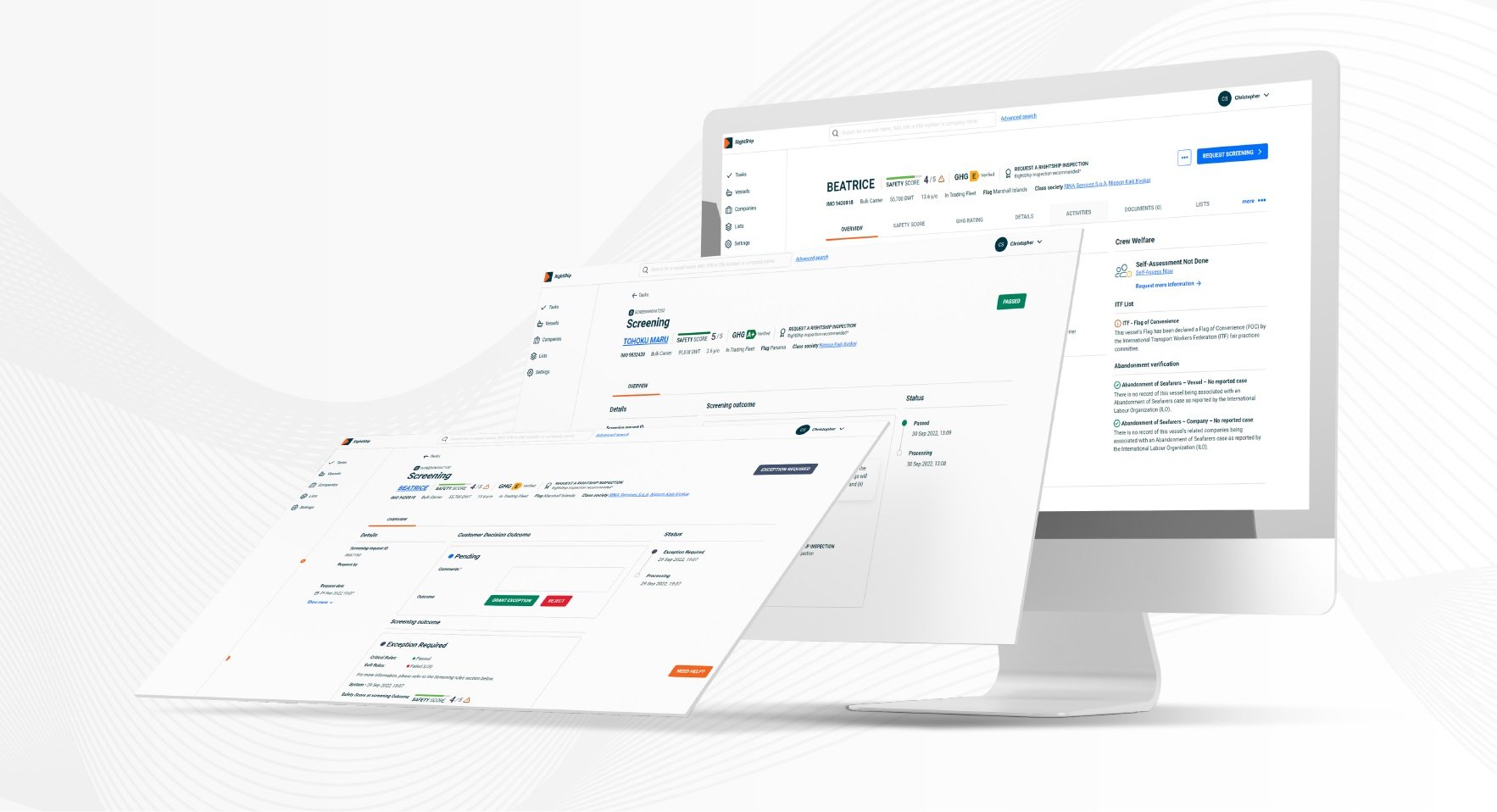
NorthStandard has agreed a deal with RightShip that will allow the P&I club to request existing RightShip inspection reports, reducing the need for duplicate vessel inspections across the dry bulk and general cargo sectors.
The arrangement will also see NorthStandard use RightShip’s safety and risk intelligence to support its loss prevention activities and initial risk evaluations.
RightShip says the report-sharing capability has been developed to enable inspection information to be reused across the maritime industry, to reduce operational disruption and inspection demands on vessel crews.
“NorthStandard shares our belief that better safety and risk outcomes depend on making trusted information easier to use across the maritime value chain,” said Andrew Roberts, Executive Director, EMEA & Americas, RightShip.
The operating model was developed with input from dry bulk ship manager Orion Reederei, which participated in testing the new process.
“Owners and Managers routinely accommodate inspections from multiple organisations, many of which assess similar aspects of vessel operations,” said Philipp Reith, Managing Director, Orion Reederei.
“Reducing unnecessary duplicate inspections benefits everyone. It reduces disruption to vessels and crew, improves operational efficiency and allows inspection effort to focus on the areas that genuinely improve safety.”
RightShip said it is continuing to develop its inspection framework with the aim of improving the consistency, transparency and quality of inspections while encouraging wider industry use of inspection information.
“This collaboration gives us access to trusted safety and risk data that supports initial risk evaluations, strengthens loss prevention and helps us better understand and support our Members,” said Simon MacLeod, Loss Prevention Director, NorthStandard.
“Requesting Rightship inspection reports ensures we can make better use of existing, high-quality inspection data reducing the need for separate club condition surveys. This minimises duplication of inspections, eases pressure on crews, and supports a more efficient, proportionate and focused approach to vessel assurance.”


